
 U.S. Visa
 Canada eTA
 Schengen Visa
 New Zealand eTA
 United Kingdom eTA
 Australia eVisitor
 Vietnam eVisa
 Egypt eVisa
 Singapore Arrival Card
 Sri Lanka eVisa



--------- ETIAS Explained: Europe’s New Travel Authorization System
Feb 16, 2026
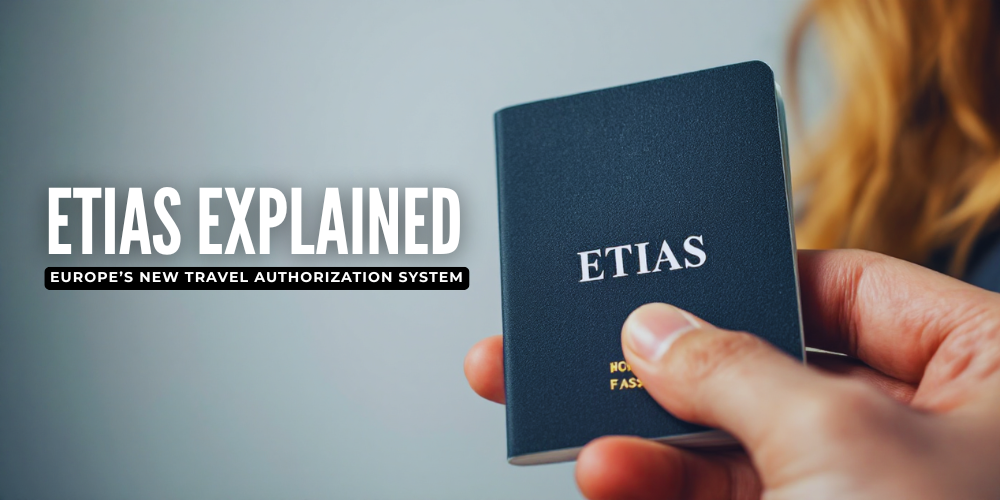
Europe is shaking up short-stay travel, and if you’ve ever zipped across the continent visa-free, it’s time to pay attention. Starting late 2026, travelers from visa-exempt countries will need ETIAS the European Travel Information and Authorisation System before boarding a flight or train.
ETIAS is not a visa. Think of it as a pre-travel security clearance: a quick, online check that ensures travelers don’t pose risks before they even set foot in Europe. It’s part of a broader push to tighten security while keeping tourism and business flowing smoothly.
By the end of this guide, you’ll know exactly who needs ETIAS, how to apply, how it compares to the U.S. ESTA, what it costs, when it launches, and practical tips to avoid headaches at the border. Your next European adventure just got a lot smarter.
What is ETIAS?
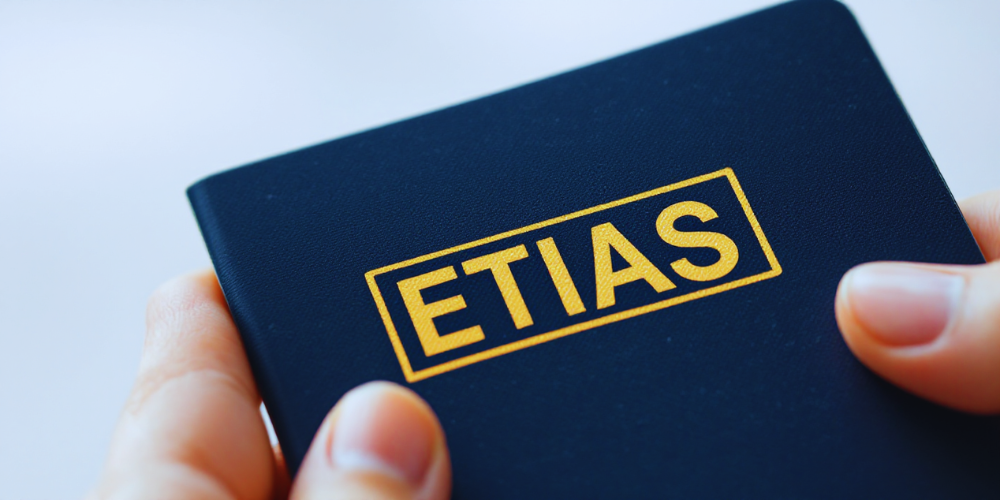
The European Travel Information and Authorisation System (ETIAS) is the EU’s answer to modern travel security. It’s designed to screen travelers from visa-exempt countries against databases like Europol and Interpol, flagging risks before they arrive.
ETIAS links electronically to your passport, allowing multiple entries for short stays of up to 90 days within any 180-day period. It covers tourism, business, medical visits, and transit—but it’s important to remember: ETIAS does not guarantee entry. Border guards still make the final call.
In essence, ETIAS works like the U.S. ESTA: a simple online pre-authorization that keeps Europe safe while keeping borders efficient and traveler-friendly.
Who Needs ETIAS?
ETIAS applies to citizens of over 60 visa-exempt countries, including the United States, Canada, the United Kingdom, Australia, and Japan. To apply, you’ll need:
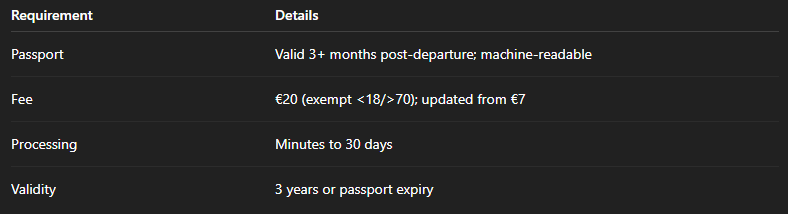
- A biometric passport valid for at least three months beyond your planned departure.
- A valid email address to receive your approval.
- A payment method for the €20 fee (free for travelers under 18 or over 70).
Certain travelers are exempt:
- EU citizens
- Long-stay visa holders
- Diplomats and holders of official passports
- Refugees and humanitarian workers
- Family members of EU citizens
Tip: Double-check exemptions before applying to avoid unnecessary steps or fees.
Application Process
Applying for ETIAS is surprisingly straightforward—and mostly digital. Here’s how it works:
- Apply online via the official ETIAS website or mobile app.
- Enter your personal and passport details, including your first Schengen destination.
- Answer security and health questions honestly—this is how Europe screens for potential risks.
- Pay the €20 fee (exempt if you’re under 18 or over 70).
- Submit your application and wait for approval. Most travelers get it within minutes, though complex cases may take up to 30 days.
Your ETIAS approval is linked to your passport. If you renew or replace your passport, you’ll need to reapply. It’s valid for three years or until passport expiry, whichever comes first.
Quick Reference Table:
Key Differences from ESTA
ETIAS and the U.S. ESTA share the concept of online pre-screening, but there are some important differences for savvy travelers:
- Cost: ETIAS is €20 vs. ESTA’s $21+.
- Duration: ETIAS is valid for three years, while ESTA lasts two years.
- First Entry Requirement: ETIAS requires you to specify your first Schengen country. ESTA does not.
- Coverage: ETIAS applies to the Schengen Area + Cyprus, whereas ESTA covers all U.S. ports of entry.
- Integration with EES: ETIAS is connected to the Entry/Exit System for better tracking; ESTA has no equivalent.
Launch Timeline and Rules
ETIAS is set to go live in Q4 2026, following the rollout of the EU Entry/Exit System (EES) in late 2025. Travelers will have a six-month transition period, during which lack of ETIAS won’t automatically block entry—but you could face delays or extra screening.
Airlines will check ETIAS before boarding, and overstaying your authorized period can lead to fines, bans, or travel restrictions. If your ETIAS is denied, you can appeal, and authorities will provide the reason for refusal.
Practical Tips for Travelers
Even though ETIAS is designed to be fast and simple, a little preparation goes a long way. Here’s how to make your journey smooth:
- Apply early. Don’t wait until the last minute—most approvals are instant, but complex cases can take up to 30 days.
- Keep your email and passport details current. ETIAS is linked to your passport, and all communications come via email.
- Understand exemptions. Traveling with family, diplomats, humanitarian missions, or as a long-stay visa holder? Double-check whether you actually need ETIAS to avoid unnecessary applications.
- Monitor official updates. Rules can evolve, so check the official EU ETIAS site regularly for last-minute changes before your trip.
Helpful Resources:
Conclusion
ETIAS is Europe’s smart, digital solution for short-stay travelers: not a visa, but a pre-travel authorization that keeps borders secure while keeping your journey hassle-free.
The application is quick, mostly online, and valid for three years—making it easier than ever to plan your European adventures. By understanding who needs ETIAS, how to apply, and keeping an eye on updates, you can avoid last-minute headaches and travel confidently.
Europe is ready—are you?
Frequently Asked Questions (FAQ)
1. Is ETIAS a visa?
No. ETIAS is a pre-travel authorization for visa-exempt travelers. It allows short stays up to 90 days but does not guarantee entry—border guards make the final decision.

2. Who needs to apply for ETIAS?
Citizens of over 60 visa-exempt countries, including the US, Canada, UK, Australia, and Japan. Exemptions apply to EU citizens, diplomats, refugees, humanitarian workers, and family members of EU citizens.
3. How do I apply for ETIAS?
Apply online via the official ETIAS website or app, enter personal and passport info, answer security questions, pay the €20 fee (free for travelers under 18 or over 70), and submit. Most approvals are instant, but complex cases can take up to 30 days.
4. How long is ETIAS valid?
ETIAS is valid for three years or until your passport expires, whichever comes first. If you renew your passport, you must reapply.
5. When does ETIAS start, and what if I travel before it’s mandatory?
ETIAS launches Q4 2026, after the Entry/Exit System (EES) rollout in late 2025. There’s a 6-month transition period, so missing ETIAS during that time won’t automatically block entry—but early application is highly recommended.
Recent Articles

U.S. May End “Duration of Status” for International Students: What It Could Mean in 2026
International students in the United States may soon face one of the most consequential immigration
U.S. Immigration Tightens Again: What “Enhanced Security Checks” Mean for Applicants in 2026
The United States has just added another layer to its already tightening immigration system—and th

Spain’s Bold Migration Gamble: Opportunity, Bottlenecks, and a Divided Nation
In a Europe increasingly defined by tighter borders, Spain is doing something radically different—

Australia’s Immigration Debate Heats Up: Policy, Politics, and the Battle Over “Values”
Australia’s immigration debate has taken a sharper, more polarised turn after the opposition Coali

Spain’s Bold Immigration Pivot: Legalization Plan Signals a New Direction for Europe
In a moment when much of Europe is tightening its borders and hardening migration policies, Spain is

Europe’s New Entry/Exit System (EES): What Travelers Need to Know in 2026
The ink stamp is fading into history. In its place? Cameras, scanners, and a system that remembers e
Read More
U.S. May End “Duration of Status” for International Students: What It Could Mean in 2026
U.S. Immigration Tightens Again: What “Enhanced Security Checks” Mean for Applicants in 2026
Spain’s Bold Migration Gamble: Opportunity, Bottlenecks, and a Divided Nation
Australia’s Immigration Debate Heats Up: Policy, Politics, and the Battle Over “Values”
Spain’s Bold Immigration Pivot: Legalization Plan Signals a New Direction for Europe
Europe’s New Entry/Exit System (EES): What Travelers Need to Know in 2026

Welcome to the VisaTravel blog. We know that navigating the maze of visa applications and online forms can be as tricky as choosing the perfect travel playlist (which is all we want you worrying about anyway).
Throughout our years of experience, though, we’ve uncovered a mountain of knowledge which, via this blog, we’re sharing with you! Whether you're diving into the world of travel visas, wondering about the ESTA online hustle, or just trying to figure out the DS160 form, think of us as your online concierge, here to make the process easy and most of all, clear.
At this point in our global context, who has time for endless paperwork and confusing legal jargon? No one. That's why we're all about spilling the tea on online visa hacks, easier-to-work-with DS160 forms, and giving you tips on everything from tourist visas to immigration, to that last-minute ESTA online adventure.
So, just plug in a word you’re curious about on the search bar, and boom. We've got the tips, tricks, and insider info to help you (and anyone else you may be traveling with) get to your travel destination with the confidence of a seasoned traveler.
Now go explore!