
 U.S. Visa
 Canada eTA
 Schengen Visa
 New Zealand eTA
 United Kingdom eTA
 Australia eVisitor
 Vietnam eVisa
 Egypt eVisa
 Singapore Arrival Card
 Sri Lanka eVisa



--------- Europe’s New Entry/Exit System (EES): What Travelers Need to Know in 2026
Apr 3, 2026
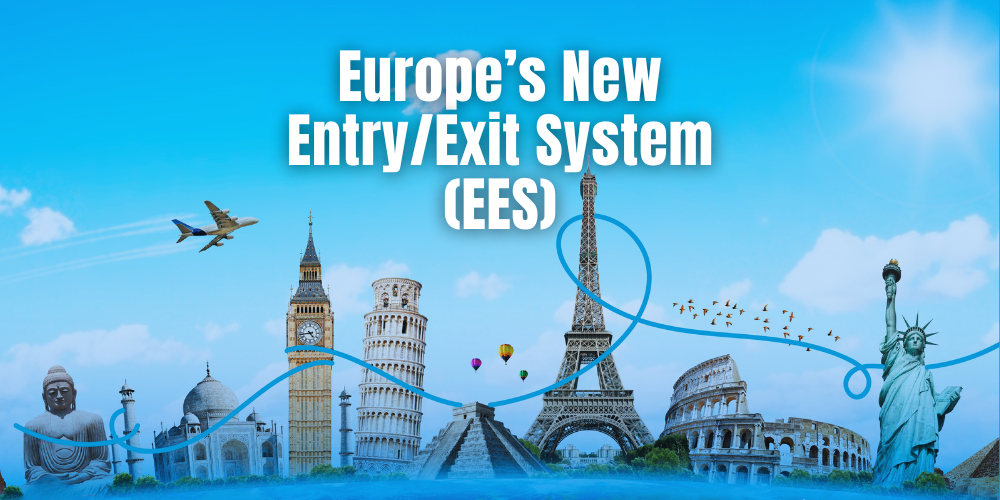
The ink stamp is fading into history. In its place? Cameras, scanners, and a system that remembers every move.
Welcome to Europe’s new border reality—powered by the Entry/Exit System (EES).
As of 2026, crossing into the Schengen Area isn’t just a checkpoint—it’s a data point. Every entry, every exit, logged digitally. No guesswork. No grey areas.
And this isn’t some distant rollout. It’s happening now.
With full implementation locked in for 2026, travelers—from backpackers to business flyers—are stepping into a system that’s faster, stricter, and far more precise.
Here’s what you need to know:
- What EES actually is (beyond the buzzwords)
- Who it applies to—and who gets a pass
- How it will change the way you enter and leave Europe
What Is Europe’s Entry/Exit System (EES)?
At its core, the Entry/Exit System (EES) is Europe’s answer to a simple problem: outdated border control.
Definition
A centralized, automated system that records the entry, exit, and movement of non-EU travelers entering the Schengen Area.
Purpose
- Replace manual passport stamping
- Eliminate human error
- Digitally track overstays and entry refusals
Core Function
- Logs every border crossing
- Calculates how long you’ve stayed
- Flags violations of the 90/180-day rule automatically
Who Runs It
The system is operated by the European Commission, forming part of the EU’s broader “smart borders” strategy.
EES Timeline: When Does It Apply?
Think of EES not as a switch—but a rollout that’s now complete.
October 12, 2025 — Initial Rollout
- First phase launched at selected external borders
- Limited deployment, testing real-world conditions
April 10, 2026 — Full Implementation
- All 29 Schengen countries are now fully integrated
- System is active at every external border crossing
Key takeaway:
By 2026, if you’re entering the Schengen Area as a non-EU traveler, EES is not optional—it’s standard procedure.
Who Needs to Use EES?
Here’s where it gets personal.
Travelers Who Must Register
If you’re not from the EU, chances are—you’re in.
- Travelers who require a visa
- Travelers who are visa-exempt (U.S., UK, Canada, Australia, Japan, etc.)
- All third-country nationals visiting for short stays (up to 90 days in 180 days)
Travelers Exempt from EES
A smaller, protected circle:
- Citizens of EU countries
- Nationals of Iceland, Norway, Liechtenstein, and Switzerland (Schengen-associated states)
What Data Does EES Collect?
This is where the system earns its reputation—precise, layered, and impossible to game. The Entry/Exit System (EES) doesn’t just log your trip—it builds a digital footprint of it.
Biometric Data
The headline feature: identity, locked in biologically.
- Fingerprints (all ten digits captured)
- Facial image (high-resolution photo at the border)
No more relying solely on documents—this is identity verification at a forensic level.
Travel Information
Every movement becomes a data point inside the Schengen Area.
- Personal details: Name, nationality, passport number
- Trip records: Entry and exit dates, plus locations
- Stay tracking: Automatic calculation of your time under the 90/180-day rule
It’s not just recording where you are—it’s calculating where you shouldn’t be.
Border Decisions
The system doesn’t forget—especially when things go wrong.
- Refusals of entry are logged permanently within the system
That means future border officers see the full picture, not just the current trip.
Data Storage & Security
Big data, tightly controlled.
- Stored for up to 3 years
- Extended to 5 years if entry is refused
- Accessible only to authorized border and security authorities
The infrastructure sits under the oversight of the European Commission, with strict controls on who sees what—and when.
How EES Changes Travel in 2026
Forget subtle changes—this is a full rewrite of the border experience. Here’s what it means when you actually land.
No More Passport Stamps
The ritual is over.
- Ink stamps are replaced by digital entry/exit records
- Your travel history lives inside the system—not on paper
Clean, efficient—and impossible to misplace.
Biometric Checks at the Border
Every crossing becomes a verification moment.
- Fingerprints and facial scan at entry and exit
- Likely done via kiosks or border officer checks
First-time users? Expect a few extra minutes. After that, it gets smoother.
Stricter Stay Monitoring
No more guesswork. No more “I think I’m still within limits.”
- The system automatically enforces the 90-in-180-day rule
- Overstays are flagged instantly
Precision replaces interpretation—and the margin for error disappears.
Permanent Travel History
Your past travels don’t vanish—they accumulate.
- Border officers can access your full Schengen entry/exit record
- Patterns—frequent travel, overstays, refusals—become visible
In short: every trip informs the next one.
EES vs ETIAS: What’s the Difference?
Two acronyms. One ecosystem. And a lot of confusion.
Let’s cut through it.
What Is ETIAS?
Meet the gatekeeper before you even board.
- The European Travel Information and Authorization System (ETIAS) is an online pre-travel authorization
- Required for visa-exempt travelers
- Similar in concept to the U.S. ESTA
No approval? No flight.
What Is EES?
Now the system waiting on the ground.
- The Entry/Exit System (EES) is a border control system
- Registers your biometrics and travel data on arrival and departure
Think of it as the system that logs your presence once you arrive.
How They Work Together
This is Europe’s new two-step travel protocol:
- ETIAS approval — completed before travel
- EES registration — completed at the border
One clears you to go. The other tracks that you came and left on time.
What Travelers Should Expect at the Border
This isn’t just a new system—it’s a new rhythm at the border. Faster in theory, but with a learning curve in practice.
- Longer queues (especially the early rollout phase)
Expect delays, particularly at major airports and peak travel hours. The transition period means more checks, more questions, and more time per traveler. - Use of kiosks and e-gates
Self-service kiosks and automated gates will handle much of the process—scanning passports, capturing biometrics, and registering your entry into the Schengen Area. - Additional identity verification steps
Border crossings may involve multiple touchpoints—document checks, fingerprint scans, facial recognition—before you’re cleared to enter.
Practical Tips for Travelers in 2026
Think of this as your pre-flight checklist—tight, tactical, and non-negotiable.
- ✔ Track your 90/180-day limit
Don’t rely on memory. The system calculates your stay automatically—and flags overstays instantly. - ✔ Bring supporting documents
Have proof ready: accommodation, return or onward ticket, and evidence of sufficient funds. - ✔ Arrive early at airports and borders
Build in buffer time. Biometric processing and queues can slow things down. - ✔ Stay updated via official sources
Policies evolve. Check updates from the European Commission or national immigration sites before you travel.
Common Mistakes to Avoid
Where travelers slip up—and where the system won’t be forgiving.
- Assuming visa-free = no checks
Visa exemption doesn’t mean frictionless entry. Screening is still very real. - Overstaying unintentionally
The Entry/Exit System (EES) tracks your days with precision—there’s no margin for error. - Not preparing for biometric delays
First-time registration can take longer than expected. Plan accordingly. - Ignoring ETIAS requirement (when active)
The European Travel Information and Authorization System (ETIAS) will be mandatory for visa-exempt travelers—no approval, no boarding.
FAQ Section
What is the EES system in Europe?
The Entry/Exit System (EES) is a digital border management system that records the entry and exit of non-EU travelers into the Schengen Area using biometric data instead of passport stamps. It tracks how long you stay and flags overstays automatically.
When does EES start fully?
EES became fully operational across all Schengen countries on April 10, 2026, after an initial rollout that began in October 2025.
Do visa-free travelers need EES?
Yes. Even if you don’t need a visa, you are still required to register under EES if you are a non-EU traveler entering the Schengen Area for a short stay.
Will EES slow down border control?
In the early stages, yes—expect longer queues as systems and travelers adjust. Over time, automated kiosks and biometric processing are designed to make border crossings more efficient and consistent.
How is EES different from ETIAS?
The European Travel Information and Authorization System (ETIAS) is a pre-travel authorization you complete online before your trip.
EES, on the other hand, is the border system that registers your biometric data and tracks your entry and exit once you arrive.
Recent Articles

U.S. May End “Duration of Status” for International Students: What It Could Mean in 2026
International students in the United States may soon face one of the most consequential immigration
U.S. Immigration Tightens Again: What “Enhanced Security Checks” Mean for Applicants in 2026
The United States has just added another layer to its already tightening immigration system—and th
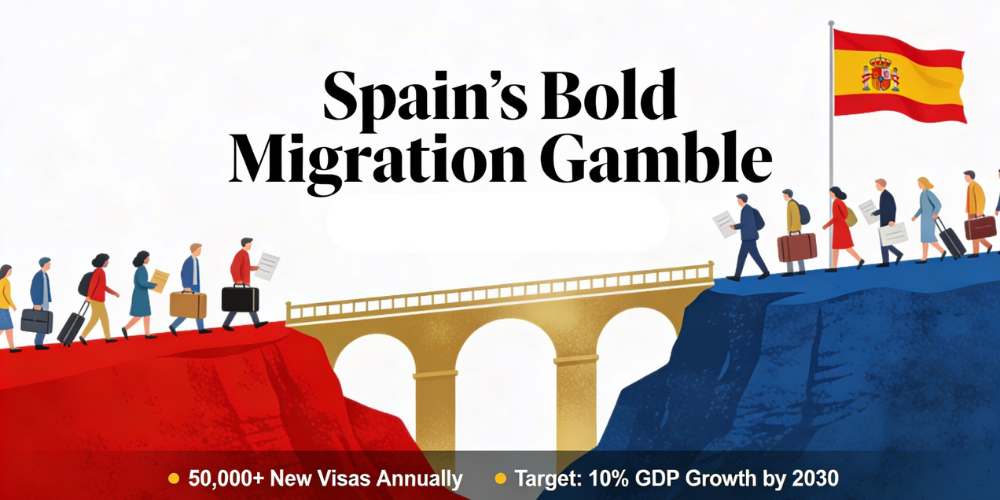
Spain’s Bold Migration Gamble: Opportunity, Bottlenecks, and a Divided Nation
In a Europe increasingly defined by tighter borders, Spain is doing something radically different—

Australia’s Immigration Debate Heats Up: Policy, Politics, and the Battle Over “Values”
Australia’s immigration debate has taken a sharper, more polarised turn after the opposition Coali
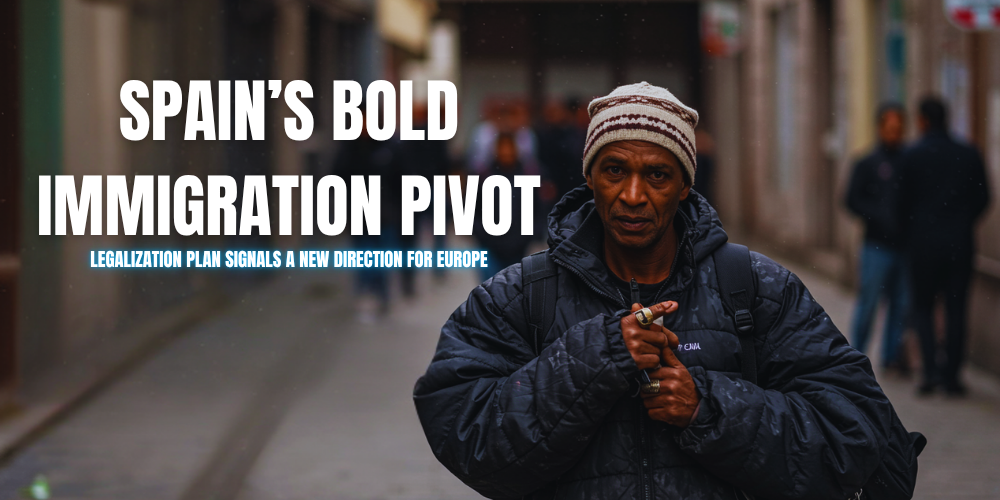
Spain’s Bold Immigration Pivot: Legalization Plan Signals a New Direction for Europe
In a moment when much of Europe is tightening its borders and hardening migration policies, Spain is
Europe’s New Entry/Exit System (EES): What Travelers Need to Know in 2026
The ink stamp is fading into history. In its place? Cameras, scanners, and a system that remembers e
Read More
U.S. May End “Duration of Status” for International Students: What It Could Mean in 2026
U.S. Immigration Tightens Again: What “Enhanced Security Checks” Mean for Applicants in 2026
Spain’s Bold Migration Gamble: Opportunity, Bottlenecks, and a Divided Nation
Australia’s Immigration Debate Heats Up: Policy, Politics, and the Battle Over “Values”
Spain’s Bold Immigration Pivot: Legalization Plan Signals a New Direction for Europe
Europe’s New Entry/Exit System (EES): What Travelers Need to Know in 2026

Welcome to the VisaTravel blog. We know that navigating the maze of visa applications and online forms can be as tricky as choosing the perfect travel playlist (which is all we want you worrying about anyway).
Throughout our years of experience, though, we’ve uncovered a mountain of knowledge which, via this blog, we’re sharing with you! Whether you're diving into the world of travel visas, wondering about the ESTA online hustle, or just trying to figure out the DS160 form, think of us as your online concierge, here to make the process easy and most of all, clear.
At this point in our global context, who has time for endless paperwork and confusing legal jargon? No one. That's why we're all about spilling the tea on online visa hacks, easier-to-work-with DS160 forms, and giving you tips on everything from tourist visas to immigration, to that last-minute ESTA online adventure.
So, just plug in a word you’re curious about on the search bar, and boom. We've got the tips, tricks, and insider info to help you (and anyone else you may be traveling with) get to your travel destination with the confidence of a seasoned traveler.
Now go explore!