
 U.S. Visa
 Canada eTA
 Schengen Visa
 New Zealand eTA
 United Kingdom eTA
 Australia eVisitor
 Vietnam eVisa
 Egypt eVisa
 Singapore Arrival Card
 Sri Lanka eVisa



--------- The Ultimate Travel Documents Checklist Before Booking Any Trip
Jan 21, 2026
The One Document You Forgot Will Ruin Everything
It always happens the same way.
You’re standing at the airport check-in counter or at an immigration desk, half-awake, clutching a coffee and your phone. Your bag is packed. Your hotel is booked. Your flight is boarding. And then the agent asks for one document you don’t have.
Not most of your documents.
Not almost everything.
That one missing piece of paper — or expired passport, or wrong visa — is enough to end the trip right there, in front of everyone, before it even begins.
This is the hidden tax of modern travel: paperwork mistakes. They don’t just cost money. They cost time, momentum, non-refundable bookings, and sometimes the entire journey.
That is why this guide exists.
This is not a packing list. This is not a “things to remember before you leave” article. This is a before-you-book checklist — a document-first system designed to make sure you are eligible to travel before you spend a single dollar on flights, hotels, or tours.
It covers both international and domestic travel, and it is structured to be used as a planning tool: you scan it, verify what you already have, identify what you’re missing, and only then do you move on to booking.
Use this article exactly as intended:
Not after you plan your trip.
Not a week before departure.
But before you commit to anything.
Core Travel Documents (The Non-Negotiables)
These are the documents you should verify before opening a booking site. If one of these is missing, expired, or invalid for your destination, your trip is not real — it is hypothetical.
Think of these as the foundation layer. Everything else sits on top of them.
Passport Requirements
For international travel, your passport is not just a form of ID. It is your permission slip to exist in another country.
First, it must be valid. That sounds obvious. It is also the most common failure point in international travel.
Second, many countries enforce the 6-month validity rule: your passport must remain valid for at least six months beyond your planned return date. If it doesn’t, you may be denied boarding by the airline or refused entry by immigration — even if your passport is technically “not expired.”
Before you book anything, check:
- The expiration date on your passport
- The entry requirements of your destination country regarding passport validity
If the dates don’t work, your next step is not booking. It is renewing.
Visa Requirements by Destination
Your passport gets you to the border. A visa determines whether you get through it.
Depending on your nationality and destination, you may need:
- A tourist visa
- A transit visa
- Or nothing at all (visa-free entry or visa-on-arrival)
Do not assume. Do not rely on blogs, social media, or what “worked last time.” Visa rules change. Quietly and often.
Before booking, you should:
- Check the official government immigration website of your destination
- Confirm whether you need a visa, what type, and how long processing takes
Some visas take days. Others take months. Booking first and checking later is how trips die on spreadsheets.
Government-Issued ID for Non-Air or Domestic Travel
Not all trips involve passports. And not all borders are airports.
For domestic travel or certain land and sea crossings, acceptable documents may include:
- An Enhanced Driver’s License
- Trusted Traveler cards such as NEXUS or similar programs
- Other government-issued IDs are accepted at specific borders
This is especially relevant for:
- U.S.–Canada land crossings
- Cruise departures
- Regional or cross-border road trips
The rule here is simple: the border you are crossing decides what is acceptable, not your assumptions.
Children and Minor Travel Documents
Children are not exempt from paperwork. In many cases, they face stricter requirements.
Depending on the destination and situation, minors may need:
- Their own passport (not just being listed on a parent’s)
- A birth certificate
- A consent letter is required if traveling with only one parent or a guardian
Families get caught by this constantly — especially on international trips and cross-border land travel. Always check the rules for minors separately from adults.
Destination-Specific Entry Requirements (The Rules That Change Everything)
Every country — and sometimes every border — plays by different rules.
Two people with the same passport can face different requirements depending on:
- How they arrive
- Where are they coming from
- How long do they plan to stay
- And why they are visiting
This is where “I didn’t know” becomes “You can’t enter.”
Health and Vaccination Documentation
Some destinations require:
- Vaccination records
- Health certificates
- Or proof of compliance with region-specific or temporary health regulations
The COVID era made this more visible, but health-related entry requirements have existed for decades and still do in many parts of the world.
Before booking, check:
- Whether your destination requires any specific vaccines
- Whether documentation must be printed, digital, or uploaded in advance
Health rules are often enforced at boarding, not just at arrival.
Special Border Entry Permissions
Some borders accept alternative documents under specific conditions, such as:
- U.S./Canada land border documents
- Military IDs
- Tribal cards
These exceptions are highly specific and not universal. What works at one crossing may not work at another. Always verify based on:
- Your citizenship
- Your route
- Your method of travel (air, land, sea)
Proof of Onward or Return Travel
Many countries require proof that you intend to leave.
This usually means:
- A return ticket
- Or an onward travel ticket to another country
Immigration officers care about this because it signals that you are a visitor, not an overstayer. If you cannot prove it, you may be denied boarding or entry — even if you have a valid passport and visa.
Before booking one-way travel, always check whether your destination allows it without additional documentation.

Booking and Financial Documents (What Proves You’re a “Real” Traveler)
Some trips fail not because of identity, but because of proof.
You can have a valid passport. You can have the right visa. And you can still be stopped because you cannot prove where you are staying, how you are leaving, or how you are paying for the trip.
To immigration systems, airlines, and visa officers, a “real” traveler is not defined by intention. They are defined by documents.
Booking Confirmations
Your itinerary is not just for your own peace of mind. It is evidence.
In many cases, you may be asked to show:
- Flight tickets or onward travel bookings
- Hotel reservations or proof of accommodation
- E-tickets and digital itineraries for transport and lodging
Sometimes this is checked by immigration. Sometimes by the airline before you even board. Sometimes by a visa officer weeks before you travel.
The standard is simple: if you claim you are visiting, you should be able to show where you are going, where you are staying, and how you are leaving.
Travel Insurance Documents
Travel insurance is not just a smart idea. In some destinations and visa categories, it is a formal requirement.
You should always have:
- Your policy confirmation or insurance certificate
- The emergency contact numbers provided by the insurer
Even when not required for entry, insurance documents are often requested during visa applications, and they are invaluable if something goes wrong abroad — medically, logistically, or legally.
In short: if you’re traveling without proof of insurance, you’re traveling on optimism.
Proof of Funds and Financial Evidence
Many countries want to know not just who you are, but whether you can afford to be there.
Depending on the destination and visa type, you may be asked to provide:
- Bank statements
- Proof of income
- Sponsorship letters (if someone else is funding your trip)
- Other visa-specific financial documents
This is not about luxury. It is about risk management. Immigration authorities want evidence that you can support yourself without working illegally or becoming a burden on the system.
If your trip requires a visa, assume that money will be part of the paperwork.
Digital Backups and Safety Systems (Your Insurance Against Chaos)
If it exists on paper, it should exist in the cloud.
Documents get lost. Phones get stolen. Bags go missing. Batteries die. Borders do not care.
Your safety net is redundancy.
Digital Copies and Cloud Storage
Before you travel, create digital copies of:
- Passports
- Visas
- Government IDs
- Tickets and reservations
- Insurance documents
Store them:
- In your email (so you can access them from any device)
- In cloud storage (Google Drive, iCloud, Dropbox, or equivalent)
This turns a disaster into an inconvenience instead of a trip-ending event.
Emergency Information Kit
You should always have easy access to:
- A list of emergency contacts
- Any prescriptions you need
- Important medical notes or conditions
This information should exist:
- On your phone
- In your cloud storage
- And ideally in one physical copy as well
In a crisis, clarity beats memory.
Government Travel Registrations and Advisories
Many governments offer voluntary travel registration systems, such as:
- STEP (Smart Traveler Enrollment Program) for U.S. citizens or similar services in other countries
These systems:
- Help your government contact you in emergencies
- Provide alerts about security, health, or political risks
You should also make a habit of:
- Monitoring official travel advisories for your destination before and during your trip
This is not paranoia. It is professional-grade travel planning
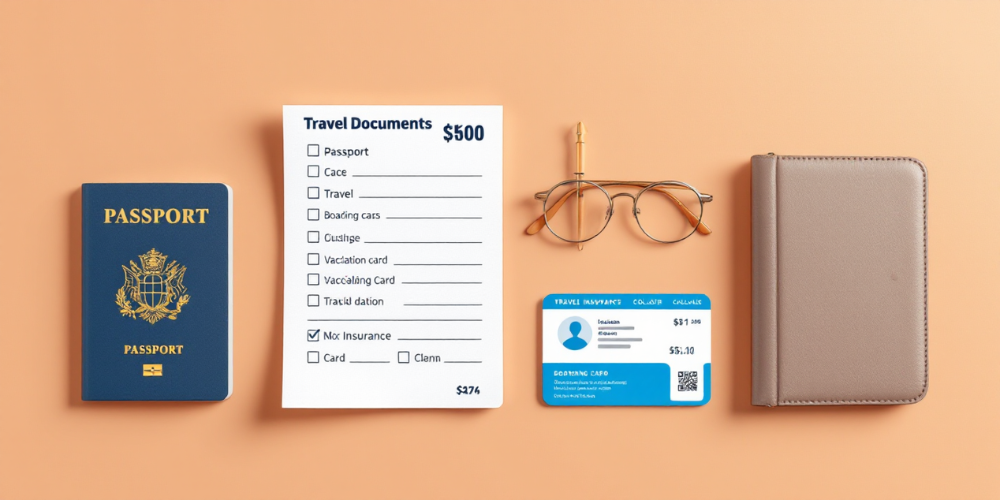
Final Pre-Booking Timeline: When to Check What
Good travel planning is not about enthusiasm. It is about sequence.
Do things in the wrong order and you end up emotionally committed to a trip you are not legally allowed to take. Do them in the right order and travel becomes boring — in the best possible way.
Use this timeline as your control system.
6 Months Before Travel: Passport Validity
This is your immovable foundation.
Before you think about routes, prices, or hotels, check:
- The expiration date on your passport
- Whether your destination requires 6 months of validity beyond your return date
If your passport fails this test, stop. Renew it. Everything else waits.
3–4 Months Before Travel: Visas and Special Permits
This is the bureaucracy window.
At this stage, you should:
- Confirm whether you need a visa
- Identify whether you need any special permits or prior authorizations
- Start applications for anything that is not instant or visa-on-arrival
Some visas are fast. Some are slow. Some are unpredictable. Time is not a luxury here — it is a requirement.
Before Booking Anything: Rules, Requirements, and Gaps
This is the moment of truth.
Before you spend a single dollar, you should:
- Verify destination entry rules
- Confirm health, border, and onward travel requirements
- Identify any document gaps you still need to fix
Only when everything checks out do you move to booking.
Not before.
Conclusion
Summary of the Core Principle
Travel does not begin with inspiration. It begins with eligibility.
You can have the perfect plan, the perfect timing, and the perfect budget — and still fail at the airport because one document is wrong, missing, or expired.
So remember the only rule that actually matters:
Documents first. Bookings second. Always.
Call to Action
To make this easy, use the downloadable, printable checklist version of this guide and run through it before every trip — domestic or international.
Make it a habit. Make it boring. Make it automatic.
And most importantly:
Verify everything before you pay for anything.
That one habit will save you more trips than any travel hack ever will.
Recent Articles

Europe’s New Entry/Exit System (EES): What Travelers Need to Know in 2026
The ink stamp is fading into history. In its place? Cameras, scanners, and a system that remembers e

U.S. Immigration Is Tightening Fast—Here’s What It Means for You in 2026
If you’ve been following U.S. immigration trends, you’ve likely noticed a shift—and it’s not

Visa Tips for Work-From-Anywhere Travelers (2026 Digital Nomad Guide)
The Wi-Fi is strong. The coffee is stronger. You’re answering emails with sand between your toes,
How to Extend Your Stay Legally Beyond a Tourist Visa
At first, the trip feels endless.A few weeks wandering through Manhattan museums. A cross-country ro
Digital Nomad Visas Explained: Where Remote Workers Can Live in 2026
Picture a Tuesday morning that could be anywhere: a laptop open at a café in Lisbon, a coworking de

Top Digital Nomad Visas in 2026 (Portugal, Croatia, Estonia & More)
Remote work isn’t a trend anymore — it’s infrastructure. By 2026, governments aren’t just to
Read More
Europe’s New Entry/Exit System (EES): What Travelers Need to Know in 2026
U.S. Immigration Is Tightening Fast—Here’s What It Means for You in 2026
Visa Tips for Work-From-Anywhere Travelers (2026 Digital Nomad Guide)
How to Extend Your Stay Legally Beyond a Tourist Visa
Digital Nomad Visas Explained: Where Remote Workers Can Live in 2026
Top Digital Nomad Visas in 2026 (Portugal, Croatia, Estonia & More)

Welcome to the VisaTravel blog. We know that navigating the maze of visa applications and online forms can be as tricky as choosing the perfect travel playlist (which is all we want you worrying about anyway).
Throughout our years of experience, though, we’ve uncovered a mountain of knowledge which, via this blog, we’re sharing with you! Whether you're diving into the world of travel visas, wondering about the ESTA online hustle, or just trying to figure out the DS160 form, think of us as your online concierge, here to make the process easy and most of all, clear.
At this point in our global context, who has time for endless paperwork and confusing legal jargon? No one. That's why we're all about spilling the tea on online visa hacks, easier-to-work-with DS160 forms, and giving you tips on everything from tourist visas to immigration, to that last-minute ESTA online adventure.
So, just plug in a word you’re curious about on the search bar, and boom. We've got the tips, tricks, and insider info to help you (and anyone else you may be traveling with) get to your travel destination with the confidence of a seasoned traveler.
Now go explore!