 U.S. Visa
 Canada eTA
 Schengen Visa
 New Zealand eTA
 United Kingdom eTA
 Australia eVisitor
 Vietnam eVisa
 Egypt eVisa
 Singapore Arrival Card
 Sri Lanka eVisa



--------- Visa & Entry Requirements You Must Know for 2026
Jan 5, 2026
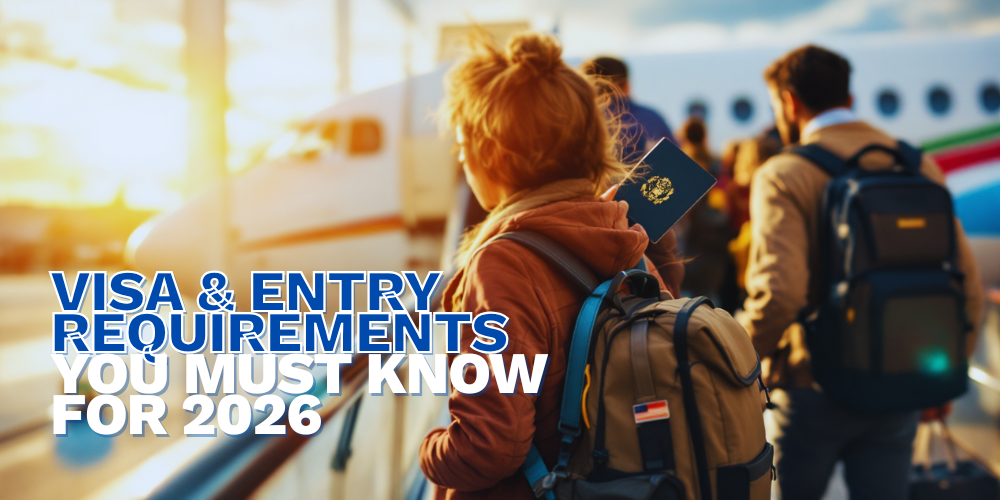
Travel to the United States in 2026 is no longer just about booking a flight and packing a passport. Entry scrutiny is tightening, requirements are becoming more data-driven, and enforcement at ports of entry is increasingly unforgiving of mistakes. The result is a travel environment where preparation is no longer optional—it is decisive.
A key inflection point arrives on January 1, 2026, when new entry restrictions and expanded screening measures formally take effect. These changes affect who may enter, under what authority, and with which documents, making last-minute assumptions risky even for frequent travelers.
The message from U.S. authorities is consistent: travelers are expected to understand and comply with entry rules before they depart. Official government sources—particularly the U.S. Department of State and U.S. Customs and Border Protection (CBP)—remain the only reliable references for planning. Secondary summaries can help, but they should never replace direct verification from primary agencies.
In 2026, informed travelers move smoothly. Uninformed ones risk being turned around at the border.
Entry to the U.S. in 2026: The Big Picture
At its core, the U.S. entry policy in 2026 rests on a few non-negotiable principles.
First, every traveler must be individually eligible at the time of entry. Possessing a visa or ESTA approval does not guarantee admission; final authority always lies with CBP officers at the port of entry.
Second, eligibility is increasingly country-specific. Nationality, dual citizenship, and recent travel history can all affect whether a traveler qualifies for visa-free entry, requires a visa, or is subject to new restrictions or suspensions. Checking eligibility against current country lists is now a critical pre-travel step.
Third, travelers must understand the distinction between visa-based travel and visa-free travel under the Visa Waiver Program (VWP). Each pathway carries different documentation requirements, stay limits, and compliance obligations, and using the wrong pathway—or assuming eligibility—can result in denial of entry.
Finally, non-compliance has immediate consequences. Incomplete documentation, invalid passports, missing approvals, or failure to meet entry conditions can lead to refusal of admission at the border, regardless of travel plans or prior history. In 2026, border enforcement is procedural, not sympathetic.
Core Documents Required for U.S. Entry
Passport Requirements
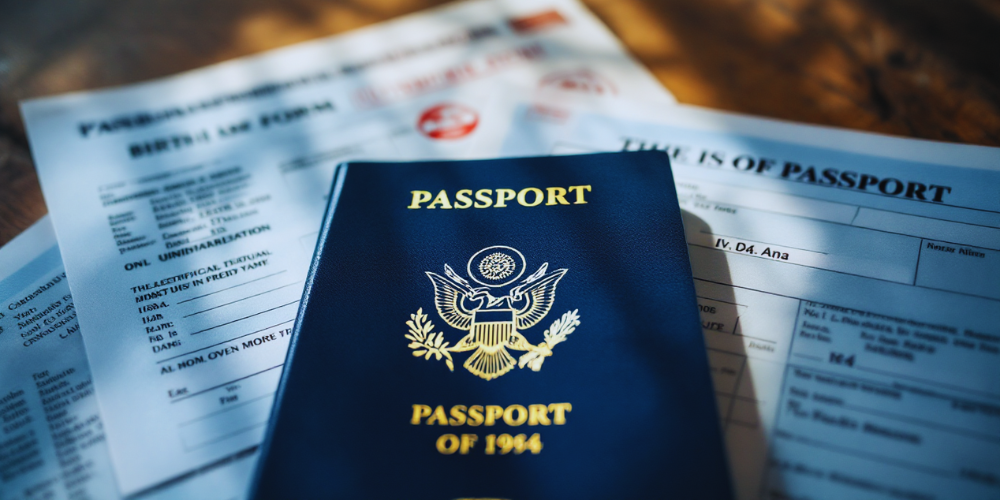
A valid passport remains the foundation of lawful entry into the United States. As a general rule, passports must be valid for at least six months beyond the intended period of stay, unless the traveler is exempt under a country-specific agreement.
For travelers entering under the Visa Waiver Program, an e-passport is mandatory. This passport must contain an embedded electronic chip that stores biometric information. Without an e-passport, visa-free travel is not permitted, even if the traveler’s nationality would otherwise qualify.
In 2026, passport validity and format are among the first details verified—errors here can end a trip before it begins.
Travel and Arrival Documentation
Beyond the passport, travelers must be prepared to demonstrate the purpose and temporary nature of their visit.
Proof of onward or return travel, such as a return ticket or confirmed onward itinerary, is commonly required to establish intent to depart within the authorized stay. This is especially relevant for visitors entering for tourism or business.
Upon arrival, travelers are also required to complete Customs Declaration Form 6059B, declaring goods, currency, and other regulated items. Accuracy matters; discrepancies can trigger secondary inspection.
Depending on the traveler’s visa category or travel purpose, border officers may also request supporting documents, such as evidence of accommodation, financial means, or ties to a home country. These requests are discretionary but routine—and being unprepared is a preventable risk.
In 2026, documentation is not just a formality. It is the language of entry.
Visitor Visas for 2026 (B-1, B-2, and B-1/B-2)
Who Needs a Visitor Visa
Travelers who are not citizens of Visa Waiver Program (VWP) countries must obtain a visitor visa before traveling to the United States. This applies regardless of how short the visit may be.
Visitor visas are issued for temporary stays only and are purpose-specific:
- B-1 visas cover legitimate business activities such as meetings, conferences, negotiations, or short-term professional consultations.
- B-2 visas apply to tourism, family visits, medical treatment, and other non-business personal travel.
- B-1/B-2 combination visas allow both purposes under a single visa.
Admission is typically granted for up to six months per entry, subject to the discretion of Customs and Border Protection (CBP) officers at the port of entry.
Application Process and Requirements
The visitor visa process in 2026 remains structured, documentation-heavy, and interview-driven.
Applicants must complete the DS-160 online application, submit a compliant photograph, and pay the non-refundable application fee. Most applicants are also required to attend an in-person interview at a U.S. embassy or consulate, where eligibility and intent are assessed.
Key supporting documentation includes:
- A valid passport
- Evidence of the purpose of travel
- Proof of strong ties to the home country, such as employment, family obligations, or property
- Financial documentation demonstrating the ability to cover travel and living expenses
- A clear explanation of intent to return after the visit
In 2026, consular officers place heightened emphasis on credibility and consistency. Incomplete or contradictory information significantly increases refusal risk.
Limitations and Compliance
Visitor visas come with strict boundaries.
Activities such as employment, long-term study, or birth tourism are prohibited under B-1/B-2 classifications. Engaging in unauthorized activities can lead to visa cancellation and future ineligibility.
If additional time is required, travelers must apply for an extension of stay with U.S. Citizenship and Immigration Services (USCIS) before the authorized stay expires. Approval is discretionary and not guaranteed.
Compliance is procedural: overstaying or violating terms voids the visa, regardless of remaining validity.

Visa Waiver Program (ESTA) Rules for 2026
Eligibility and Stay Limits
The Visa Waiver Program allows citizens of participating countries to enter the U.S. for business or tourism without a visa, provided all conditions are met.
Travel under the VWP is limited to 90 days per visit, with no extensions or changes of status permitted. Travelers must comply strictly with permitted activities and departure timelines.
Eligibility is determined by nationality, passport type, and travel history—not convenience.
ESTA Application Requirements
All VWP travelers must obtain ESTA approval before boarding a flight to the United States.
Applications must be submitted through official CBP platforms, currently the ESTA website and an upcoming CBP-supported mobile application. Approval is required prior to travel and is electronically linked to the traveler’s passport.
Traveling without ESTA approval results in denial of boarding or refusal at entry.
Proposed ESTA Changes for 2026
ESTA requirements are expected to expand in 2026, reflecting increased security screening.
Proposed changes include:
- Mandatory disclosure of social media accounts from the past five years
- Biometric data collection, including selfies
- Expanded identity and family-related information
These changes increase processing complexity and make early application essential, particularly as legacy systems may be phased out or modified.
Who Is Excluded from ESTA
Not all otherwise eligible travelers can use the Visa Waiver Program.
ESTA is not available to:
- Dual nationals of certain restricted countries
- Travelers who have recently visited specific regions, including countries subject to heightened scrutiny or bans
In such cases, a visitor visa is mandatory, regardless of passport nationality.
New U.S. Entry Restrictions Effective January 1, 2026
Countries Subject to Full Entry Suspension
Effective January 1, 2026, full entry suspensions apply to nationals of designated countries, including:
- Afghanistan
- Burma
- Chad
- Haiti
- Iran
- Libya
- Somalia
- Sudan
- Yemen
- Burkina Faso
- Laos
- Mali
- Niger
- Sierra Leone
- South Sudan
- Syria
Nationals of these countries are barred from entry except where explicit exemptions apply.
Partial Entry Restrictions
Partial restrictions affect specific visa categories—most notably B (visitor), F (student), M (vocational), and J (exchange) visas—for nationals of additional countries.
These restrictions limit issuance, admission, or both, depending on category and traveler profile. The scope is precise and subject to change, requiring close review before travel.
Exemptions and Special Categories
Certain individuals remain eligible for entry despite restrictions, including:
- Lawful permanent residents (green card holders)
- Travelers holding valid visas issued before January 1, 2026
- Diplomats and select official travelers
Exemptions are narrowly defined and strictly applied.
Additional Suspensions
Travel documents issued by the Palestinian Authority are suspended for entry purposes under the 2026 framework, further underscoring the need for document-specific verification.

What Happens at the Port of Entry
Entry into the United States ultimately hinges on a single moment: inspection by U.S. Customs and Border Protection (CBP). Regardless of visa type or prior approvals, CBP officers have final authority to admit, limit, or refuse entry.
During inspection, officers assess identity, purpose of travel, documentation, and compliance history. Approval is never automatic. Even travelers with valid visas or ESTA authorization must still satisfy entry requirements at the border.
If admitted, CBP issues Form I-94, which defines the traveler’s authorized period of stay. The I-94—whether issued with a fixed expiration date or marked “D/S” (Duration of Status)—is the controlling document for lawful presence. Visa expiration dates do not override it.
Overstaying the authorized stay recorded on the I-94 carries serious consequences. These include visa cancellation, accrual of unlawful presence, reentry bars, and future immigration complications. Critically, overstays apply even if the visa itself remains valid.
Throughout this process, CBP officers exercise broad discretion. Inconsistencies, missing documentation, or unclear intent can lead to secondary inspection or denial of entry. In 2026, procedural accuracy is the difference between admission and refusal.
Application and Travel Planning Tips for 2026
Advance planning is not just prudent in 2026—it is protective.
Travelers should closely monitor visa processing times and interview backlogs, which continue to fluctuate by embassy and season. Appointments should be scheduled as early as possible through official embassy or consular websites.
All application steps—including visa forms, ESTA submissions, and appointment scheduling—should be completed only through official government platforms. Third-party shortcuts increase error risk without accelerating outcomes.
While the Visa Bulletin primarily affects immigrant visa applicants, it remains useful context for understanding broader processing pressures. Visitor visa applicants should recognize its limited relevance while staying aware of system-wide delays.
Finally, travelers must verify entry requirements shortly before departure. Policies, country lists, and technical requirements can change with little notice. Information that was accurate months earlier may be outdated by travel day.
Official Resources to Rely On
In an environment defined by rapid change, source selection matters.
Primary guidance should always come from:
- The U.S. Department of State (travel.state.gov) for visa classifications, eligibility, and consular procedures
- U.S. Customs and Border Protection (CBP) for entry rules, I-94 records, and ESTA requirements
Immigration law firm and compliance resources can provide helpful analysis, but they should supplement—not replace—official government guidance.
Travelers should exercise caution with blogs, forums, videos, and social media summaries. Outdated or unofficial advice is one of the most common causes of avoidable entry problems.
Key Takeaways: How to Travel to the U.S. in 2026 Without Issues
Successful travel to the United States in 2026 comes down to disciplined preparation.
- Document readiness is foundational: valid passports, correct visa or ESTA approval, and supporting materials must align precisely.
- Eligibility verification must be country-specific and current, accounting for nationality, travel history, and new restrictions.
- Early applications and strict compliance reduce risk, particularly amid processing delays and expanded screening.
- Staying current is essential; policies evolve, and last-minute assumptions are costly.
In 2026, compliance is not a technicality. It is the entry requirement.
References & Further Reading
For authoritative guidance and deeper research, consult the following official and professional sources:
- U.S. Department of State – Visitor visas, Visa Waiver Program, and entry guidance
- U.S. Customs and Border Protection – ESTA, I-94 records, and port-of-entry procedures
- Presidential proclamations and official notices on 2026 entry restrictions
- Immigration law and compliance analyses from established legal and advisory firms
- Government-published Visa Bulletin updates and explanatory resources
Travelers are strongly encouraged to verify details directly with government agencies prior to departure, as policies and implementation guidance may change.
FAQ
Can I enter the U.S. in 2026 with a valid visa but missing documents?
No. CBP may deny entry if required documents or approvals are missing.
Does ESTA guarantee admission?
No. ESTA authorizes travel to request entry; CBP makes the final decision.
What document controls how long I can stay?
Form I-94 controls authorized stay—not the visa expiration date.
Recent Articles

U.S. May End “Duration of Status” for International Students: What It Could Mean in 2026
International students in the United States may soon face one of the most consequential immigration
U.S. Immigration Tightens Again: What “Enhanced Security Checks” Mean for Applicants in 2026
The United States has just added another layer to its already tightening immigration system—and th

Spain’s Bold Migration Gamble: Opportunity, Bottlenecks, and a Divided Nation
In a Europe increasingly defined by tighter borders, Spain is doing something radically different—

Australia’s Immigration Debate Heats Up: Policy, Politics, and the Battle Over “Values”
Australia’s immigration debate has taken a sharper, more polarised turn after the opposition Coali

Spain’s Bold Immigration Pivot: Legalization Plan Signals a New Direction for Europe
In a moment when much of Europe is tightening its borders and hardening migration policies, Spain is

Europe’s New Entry/Exit System (EES): What Travelers Need to Know in 2026
The ink stamp is fading into history. In its place? Cameras, scanners, and a system that remembers e
Read More
U.S. May End “Duration of Status” for International Students: What It Could Mean in 2026
U.S. Immigration Tightens Again: What “Enhanced Security Checks” Mean for Applicants in 2026
Spain’s Bold Migration Gamble: Opportunity, Bottlenecks, and a Divided Nation
Australia’s Immigration Debate Heats Up: Policy, Politics, and the Battle Over “Values”
Spain’s Bold Immigration Pivot: Legalization Plan Signals a New Direction for Europe
Europe’s New Entry/Exit System (EES): What Travelers Need to Know in 2026

Welcome to the VisaTravel blog. We know that navigating the maze of visa applications and online forms can be as tricky as choosing the perfect travel playlist (which is all we want you worrying about anyway).
Throughout our years of experience, though, we’ve uncovered a mountain of knowledge which, via this blog, we’re sharing with you! Whether you're diving into the world of travel visas, wondering about the ESTA online hustle, or just trying to figure out the DS160 form, think of us as your online concierge, here to make the process easy and most of all, clear.
At this point in our global context, who has time for endless paperwork and confusing legal jargon? No one. That's why we're all about spilling the tea on online visa hacks, easier-to-work-with DS160 forms, and giving you tips on everything from tourist visas to immigration, to that last-minute ESTA online adventure.
So, just plug in a word you’re curious about on the search bar, and boom. We've got the tips, tricks, and insider info to help you (and anyone else you may be traveling with) get to your travel destination with the confidence of a seasoned traveler.
Now go explore!